Catholic Eucharistic Truth
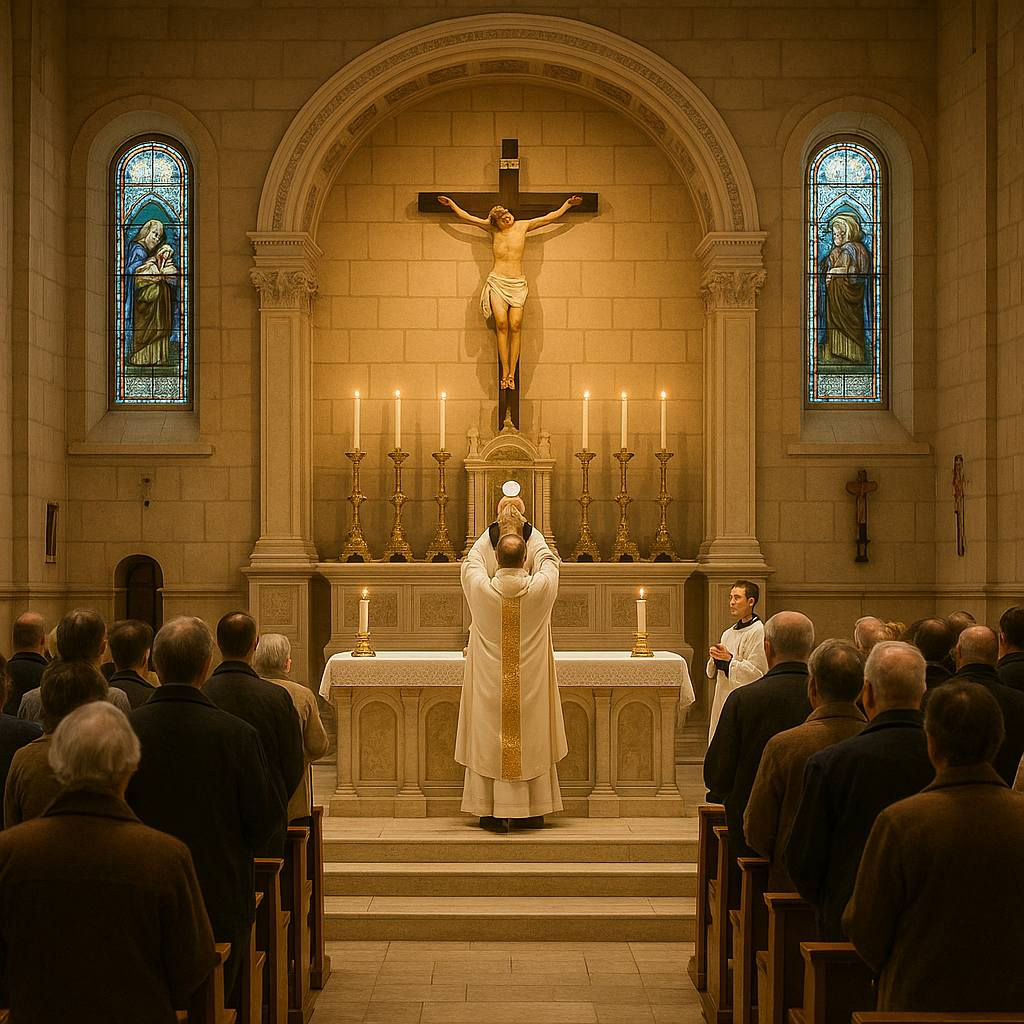 | Calvary Chapel Version (memorial view)
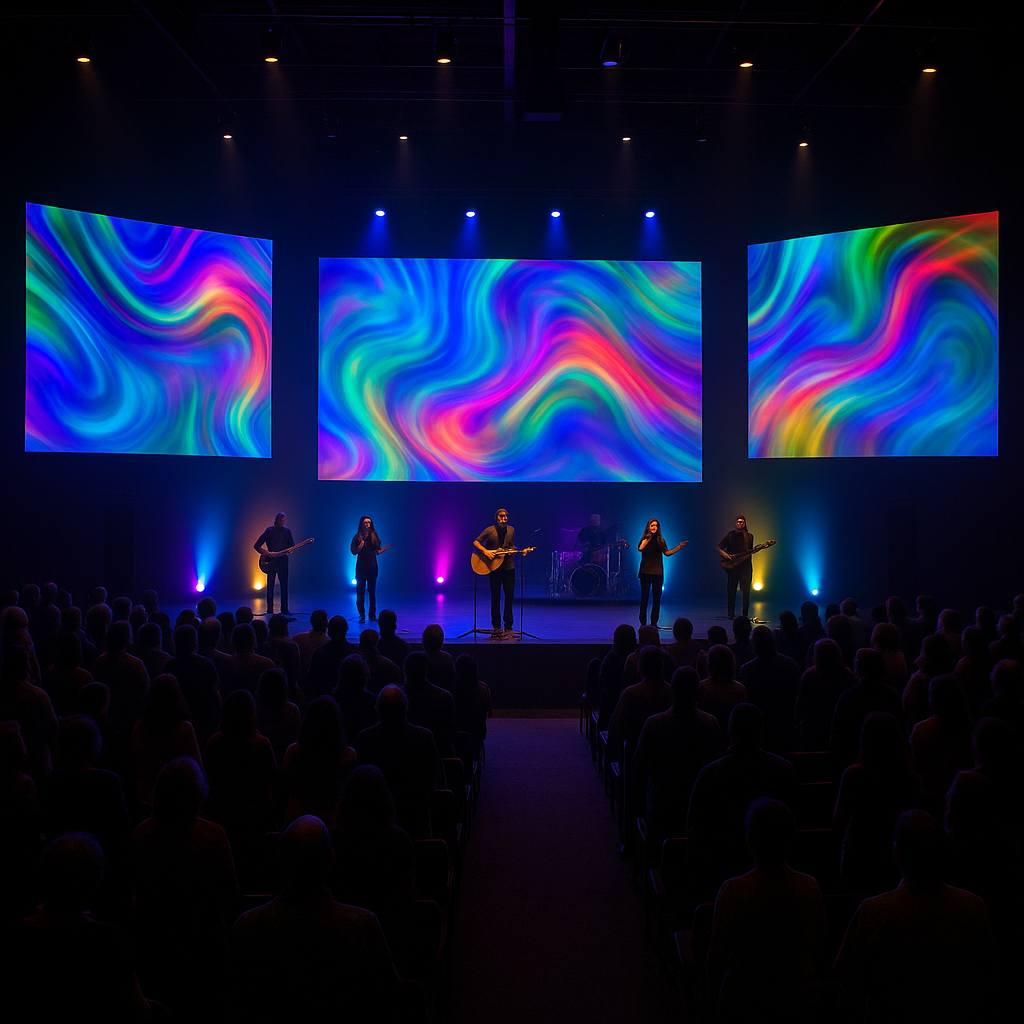 |
| The Eucharist is not a symbol of love—it is Love Himself given under the veil of bread and wine. | Communion is a symbol of Christ’s love, represented by bread and juice. |
| The host is not common food—it is the Bread of Angels, the manna come down from Heaven. | The bread is ordinary food, unchanged, used only to remember Christ’s body. |
| The chalice is not ordinary drink—it is the Precious Blood poured out for the life of the world. | The cup is grape juice or wine, a symbol of the blood Jesus shed long ago. |
| The Mass is not a human invention—it is the eternal worship of Heaven breaking into time. | The service is a man-made gathering with singing, teaching, and symbolic communion. |
| The altar is not wood or stone alone—it is Calvary mystically present in our midst. | The table is only furniture to hold symbolic bread and cups. |
| The sacrifice of the Mass is not a repetition—it is the once-for-all offering of Christ made present. | The communion service is a memorial only, not a sacrifice, and nothing is made present. |
| The priest is not acting on his own—it is Christ the High Priest who offers through him. | The pastor leads prayers but claims no priestly role beyond teaching. |
| The Eucharist is not a reminder of the Last Supper—it is the Last Supper and the Cross living before our eyes. | Communion is only a reminder of the Last Supper, a lesson in memory. |
| The host is not an emblem of faith—it is the Word made flesh dwelling among us. | The bread is an emblem of faith, pointing to Jesus but not becoming Him. |
| The chalice is not a memorial cup—it is the covenant in Christ’s Blood sealed anew. | The cup is only a memorial, a symbol of the covenant remembered but not renewed. |
| Communion is not a ritual act—it is union with the very Body and Blood of the Lord. | Communion is an outward ritual with no claim to inner union with Christ’s Body and Blood. |
| The tabernacle is not a container—it is the throne of the Living God. | There is no tabernacle; leftover bread is discarded because it remains just bread. |
| Eucharistic adoration is not empty gazing—it is face-to-face encounter with Jesus Christ. | Adoration is rejected, for they believe Christ is absent from the bread and cup. |
| The consecration is not mere words—it is the Spirit’s power changing substance itself. | The pastor’s words change nothing; the bread and juice remain what they were. |
| The Mass is not man speaking to God—it is God offering Himself for man. | The service is men offering songs and sermons to God, not God offering Himself anew. |
| The Eucharist is not ordinary bread—it is Christ, whole and entire. | The bread is and remains ordinary bread, only treated as a symbol. |
| The chalice is not wine remaining—it is the very Blood shed on Calvary. | The cup remains juice or wine, never the Blood of Christ. |
| The sacrifice is not remembered—it is made present in mystery. | The sacrifice is only remembered, never made present. |
| Communion is not a symbol of unity—it is true mystical communion with Christ and His Church. | Communion is a symbol of unity among believers but not a mystical bond with Christ’s Body. |
| The altar is not earthly alone—it is joined to the heavenly Jerusalem. | The table is earthly only, disconnected from heaven. |
| The host is not dead matter—it is the Living Christ who rose from the dead. | The bread is just matter, useful only as a reminder. |
| The chalice is not metaphor—it is covenant reality. | The cup is metaphorical only, pointing to the covenant but not containing it. |
| The priest’s words are not his own—they are Christ’s words: “This is my Body.” | The pastor repeats Christ’s words as quotation, not as an active reality. |
| The Mass is not theater—it is participation in divine reality. | The service is largely symbolic, a teaching and memorial performance. |
| The Eucharist is not ours to redefine—it is Christ’s self-gift, given once for all. | Communion is reinterpreted as symbolic, shaped by human teaching. |
| Communion is not snack or meal—it is participation in eternal life. | Communion is a symbolic meal with crackers and juice. |
| The altar rail is not boundary—it is the threshold of Heaven. | There is no altar rail, only seating in a hall. |
| The Eucharist is not man reaching up—it is God stooping down. | Communion is man’s attempt to remember and honor God. |
| The consecrated host is not sacred object—it is the Divine Person veiled in humility. | The bread is never consecrated, never sacred, always ordinary. |
| The chalice is not ritual wine—it is the Blood that speaks better than Abel’s. | The cup is ritual grape juice that recalls Abel’s story symbolically. |
| The Mass is not our work—it is Christ’s work on our behalf. | The service is human effort—preaching, music, prayer—with no claim of Christ’s work made present. |
| The Eucharist is not optional devotion—it is the source and summit of Christian life. | Communion is optional, sometimes quarterly, not central to worship. |
| The altar is not stage—it is the hill of Calvary. | The platform is a stage for music and preaching. |
| The host is not representation—it is Real Presence. | The bread is only representation, never presence. |
| The chalice is not commemoration—it is participation in the Paschal Mystery. | The cup is mere commemoration of a past event. |
| Communion is not individual act—it is incorporation into Christ’s Mystical Body. | Communion is an individual’s symbolic remembrance act. |
| The Mass is not repetition—it is anamnesis, a making-present of eternity. | The service is repetition of memorial words, not true anamnesis. |
| The Eucharist is not powerless rite—it is the power of God for salvation. | Communion has no saving power, only symbolic meaning. |
| The host is not appearance only—it is substance transformed. | The bread is only appearance, unchanged in substance. |
| The chalice is not metaphorical blood—it is the very life of Christ offered. | The cup is only metaphor, never life itself. |
| The altar is not empty table—it is sacrificial banquet. | The table is empty furniture holding symbolic food. |
| The priest is not magician—it is Christ who consecrates. | The pastor claims no consecration, only memorial leading. |
| The Eucharist is not for some alone—it is for the life of the whole world. | Communion is reserved for the congregation and believers only, not seen as cosmic gift. |
| Communion is not custom—it is covenant renewal. | Communion is custom, tradition, or symbolic practice. |
| The Mass is not repetition of Calvary—it is Calvary’s eternal fruit given now. | The service is a remembrance of Calvary, never the eternal fruit itself. |
| The host is not partial Christ—it is Christ whole and entire. | The bread is not Christ at all, only a pointer. |
| The chalice is not symbolic—it is the covenant blood poured for many. | The cup is symbolic, representing the blood but not being it. |
| The altar is not ordinary ground—it is holy ground where God dwells. | The table is ordinary ground, no different from other furniture. |
| The Eucharist is not yesterday’s memory—it is today’s miracle. | Communion is yesterday’s memory, a ritual of recall. |
| The Mass is not ending of worship—it is the foretaste of eternal feast. | The service ends when the people leave, without foretaste of Heaven. |
 brikorn.com - Website of Brian Korn
Leave a comment